
If you want freedom to chase mountain views, quiet beaches, and little villages between major cities, renting a car in Morocco can be a smart move. It’s also one of those travel choices that feels simple until you’re staring at a contract, a fuel policy, and a deposit amount that makes you blink twice.
The good news is that most problems are predictable, and you can avoid them with a few practical habits. In this guide, you’ll learn where to rent, how to choose between international brands and local agencies, what to check before signing, and the most common scams travelers report.
By the end, you’ll feel ready to pick up the keys and drive with confidence.
Best Ways to Rent: Companies & Tips
Before you choose a company, get clear on three things: where you’ll pick up and drop off, what coverage you’re actually buying, and how you’ll protect your deposit.
Here are the checks that save you the most headaches:
- Documents: Carry your passport, a valid driver’s license, and a credit card in the main driver’s name. If your license isn’t in Roman characters (or you want fewer arguments at the counter), bring an International Driving Permit too.
- Transmission: Manual is common. If you need automatic, book early and confirm it’s guaranteed, not just “requested.”
- Insurance words that matter: Look for what’s included (often basic coverage) and what costs extra (damage waiver, glass/tires, theft, undercarriage, sand damage). Ask for the exclusions in writing.
- Mileage and road rules: Confirm whether mileage is unlimited and whether there are restrictions for remote areas.
- Fuel policy: “Full to full” is usually the safest option. Avoid “prepaid fuel” unless the terms are very clear.
- Payment and deposits: Know the deposit amount, how it’s held (pre-authorization vs charge), and how long refunds typically take.
One more reality check: driving styles vary by city. If you’re nervous, plan to start your first drive outside rush hour, and avoid learning to drive in Morocco for the first time inside a busy medina area.
For extra planning help, you can browse these itinerary-friendly reads in our Morocco travel guides.
1. Major International Brands
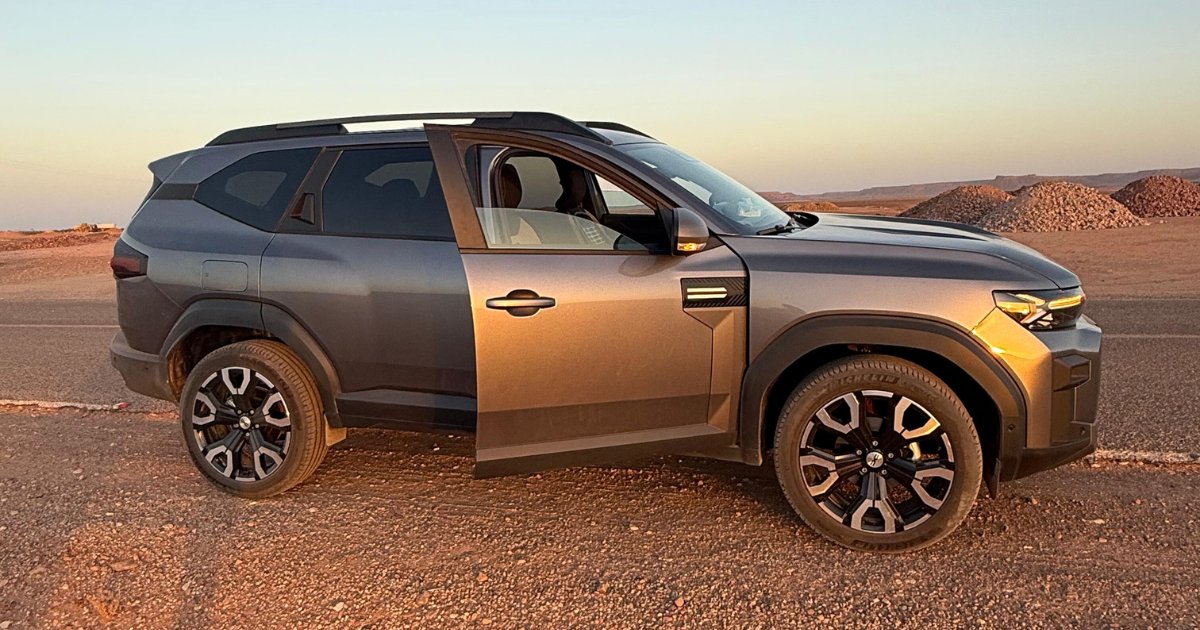
If you like predictability, international brands can be the easiest option. You usually get:
- Clearer procedures at pickup and drop-off
- More standardized vehicle condition reports
- Better customer support channels if something goes wrong
- More consistent insurance explanations (still not perfect, but often better)
How to make big brands work even better for you:
- Book the exact pickup location (airport terminal desk vs city office can change the experience).
- Confirm what “included insurance” means. Many travelers assume it covers everything, then discover exclusions like tires, windshields, underbody, sand damage, or single-vehicle incidents. Ask, “What damage is NOT covered?” and wait for a clear answer.
- Ask about cross-border rules even if you don’t plan to cross. Contracts usually forbid it, but it’s better to know upfront.
- Don’t rely on verbal promises. If it matters, it goes on the paperwork.
Best fit if: you’re landing late, want a smoother process, or prefer fewer surprises, even if it costs a bit more.
2. Local Rental Agencies
Local agencies can be great, especially if you want personal service, flexible delivery, or a specific vehicle type. They can also be inconsistent. The difference between “amazing” and “never again” usually comes down to reputation and how carefully you document the car.
Use this quick method to stay safe:
Check reputation like a skeptic
- Look for recent reviews and patterns (deposit issues, surprise fees, damage disputes).
- Favor agencies that mention clear contracts and easy deposit returns.
- If reviews sound copy-pasted or oddly perfect, treat that as a warning.
Get the contract details in plain language
- What is the deposit amount, and how is it held?
- Is there a deductible/excess even with a damage waiver?
- What’s the fuel policy?
- Are there fees for an extra driver, late return, cleaning, tolls, or minor scratches?
Inspect the car like it’s your job
- Take a slow walk-around video in good light.
- Capture close-ups of bumpers, wheels, hubcaps, the windshield, side mirrors, and the roof.
- Photograph the dashboard showing fuel level and odometer.
- Make sure existing marks are written on the check-out sheet, not just “noted verbally.”
Use a simple driving plan
- First day: keep it easy. Leave the city, get comfortable with signage, roundabouts, and speed changes.
- Build in buffer time for stops. Morocco is not a “race to the next town” kind of drive if you want it to feel calm.
Tip: If you go local, read reviews carefully. Reputations vary a lot.
3. Comparison Platforms
Comparison platforms can help you see options fast, but don’t treat the cheapest number as the final cost. Your goal is transparent terms, not a bargain that unravels at the counter.
Use platforms well by doing this:
- Filter for reputable ratings and read the lowest reviews first. They usually reveal the real issues.
- Compare like-for-like coverage. If one offer includes a damage waiver and another doesn’t, the cheap one can become expensive fast.
- Check payment terms: pay now vs pay later, cancellation rules, and what happens if your flight is delayed.
- Confirm the actual rental company behind the listing. Sometimes the “platform price” is just a lead, and the counter experience depends on whoever hands you the keys.
A useful rule: if the deal looks unreal, assume there’s a catch. Your job is to find the surprise before you arrive.
Common Scams & How to Avoid Them?
Not every agency plays games. Plenty are honest. But the same problems show up often enough that it’s worth knowing the playbook.
Unrealistically Low Rates
Ads showing “€7/day” often hide big fees, huge deposits, or bait-and-switch tactics once you arrive.
How you avoid it:
- Ask for the total cost breakdown in writing before you pay anything.
- Look for words like “from” or “starting at” and assume it’s a teaser, not a promise.
- If the company can’t clearly explain the full total (including deposit, insurance, and add-ons), walk away.
Your best defense is simple: choose clarity over cheap. When you land in a new country, the “too good” deal often costs you time, stress, and extra money later.
Hidden Fees
Fuel level scams, cleaning fees, excessive damage charges, and undisclosed insurance costs are frequent complaints. Always read the full contract before signing.
How to avoid the common ones:
- Fuel: Photograph the fuel gauge at pickup and again at return. If the policy is “full to full,” don’t leave until you’re sure the tank is actually full.
- Cleaning: Ask what counts as “dirty.” A few crumbs are normal. A beach-sand disaster is not. If you’re doing a lot of sand or surf stops, keep a small trash bag and shake out mats.
- Extra driver: If someone else might drive, add them officially. If you don’t, an accident can become a nightmare.
- Insurance upsells: If you don’t want extra coverage, stay calm and repeat your choice. If you do want it, ask for the exact name, coverage, and exclusions, and get it written into the agreement.
A useful habit: don’t sign anything you haven’t read, even if people are rushing you. You’re not being difficult. You’re being smart.
Deposit Withholding
Some agencies deny deposit refunds by claiming damage that was already there. Take photos/video of the car from every angle before driving off, and make sure the rental agent notes all existing marks.
Extra steps that help:
- Time-stamp your photos/videos (most phones do this automatically).
- Film the wheels and tires clearly. These are common targets for “damage” claims.
- Capture the windshield, including tiny chips that could later be blamed on you.
- Do the same video again at drop-off, ideally with an agent present.
If you can, return the car during office hours. After-hours drop boxes can be convenient, but they also remove the witness factor.
Passport Requests
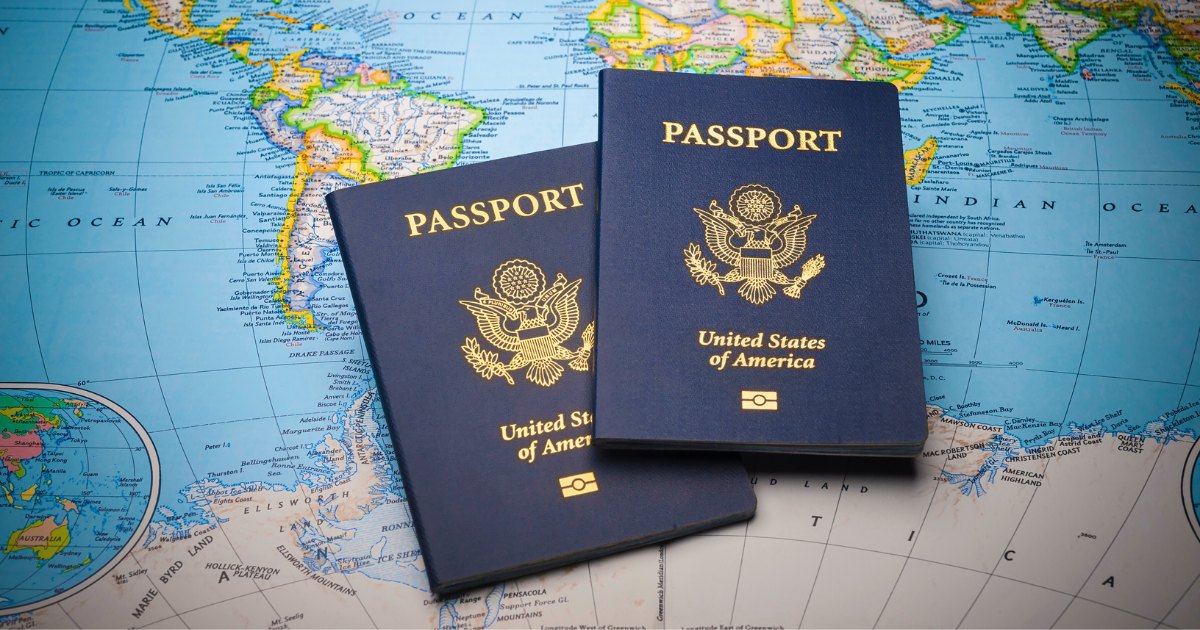
A reputable agency will not keep your passport. If one asks to hold it, walk away.
Here’s what’s normal vs not:
- Normal: checking your passport, scanning it, or taking a copy.
- Not normal: insisting on keeping it “until you return.”
If you feel pressured, use a calm line: “I can show my passport and provide a copy, but I can’t leave it with you.” If they argue, treat that as a final warning and find another agency.
If you’d rather explore Morocco without contracts, deposits, and parking stress, you can plan the same routes with a driver and local support. Message us on WhatsApp here: contact Morocco Tours Agency.
Conclusion
Renting a car in Morocco can be smooth and genuinely fun if you approach it like a checklist, not a gamble. Choose a company that explains the total cost clearly, document the vehicle like you’re making a short film, and don’t let anyone rush you into signing what you haven’t read.
The roads themselves are manageable once you settle in, especially if you start outside peak city traffic and keep your driving days realistic. Do those few things, and you’ll spend your trip watching Morocco change outside your window, not arguing at a rental counter.
FAQs
Do you need an International Driving Permit to rent a car in Morocco?
You can usually rent with your home license, but some companies require an International Driving Permit, especially if your license isn’t in Roman characters.
Is it safe to drive in Morocco as a tourist?
Yes, if you drive defensively, avoid aggressive city driving at peak times, and stick to well-maintained routes.
Should you rent at the airport or in the city?
Airports are usually easier for pickup and paperwork, while city offices can be convenient if you’re already staying downtown.
What’s the biggest mistake people make with rentals?
Skipping photos and video at pickup is the fastest path to deposit problems later.
Can you drive into the Sahara with a rental car?
You can reach desert towns on paved roads, but deep sand driving often isn’t allowed or covered by insurance.
Are speed limits strict in Morocco?
They can be, especially on major roads, so follow posted limits and watch for changes near towns.
Should you choose manual or automatic?
Manual is common, but if you need automatic, book early and confirm it’s guaranteed.
Will a rental agency keep your passport?
They may take a copy, but you should not hand over your passport to be held.