
If you visit Morocco during Ramadan, evenings quickly become the best part of the day. Moroccan Ramadan Food is about steady comfort after a long fast: warming soup, honeyed sweets, crispy bites, and bread that keeps landing on the table like it has its own mission.
You’ll often hear people say ftour instead of iftar, and the rhythm is familiar even if the dishes are new: hydrate first, something gentle and hot, then sweet, then savory, then whatever the family feels like cooking. The best way to enjoy it is simple: go slow, try a little of everything, and let the table teach you.
12 Traditional Moroccan Ramadan Food
Moroccan ftour typically combines soup, sweets, fried or baked snacks, and breads, with fruit and drinks nearby. It’s meant for sharing, not for one giant plate.
Tomatoes, chickpeas, lentils, cilantro, parsley, cinnamon, cumin, honey, sesame, almonds, semolina, and olive oil show up again and again.
1. Harira – Hearty Ramadan Soup
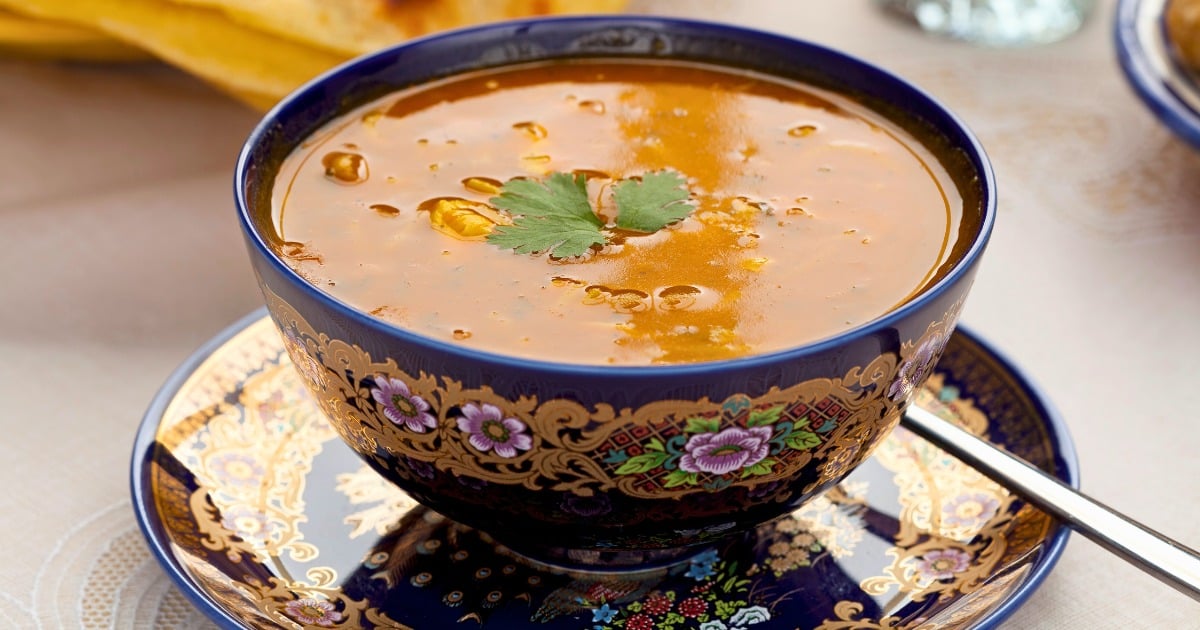
Harira is the “first spoon” of many Moroccan iftars: rich, tomato-based, and packed with herbs. It’s filling without feeling heavy, which is exactly what you want after a long fast. Some versions include lamb or beef, others keep it meat-free, but the goal is the same: steady comfort and quick energy. It’s often served with a lemon wedge, which brightens the whole bowl.
Key Ingredients:
- Tomatoes (fresh or paste) – form the base
- Legumes: lentils and chickpeas – for protein and heartiness
- Meat: often lamb or beef (though vegetarian versions are common)
- Fresh herbs: parsley, cilantro, and sometimes celery leaves
- Grains or pasta: small vermicelli or rice – for texture
2. Chebakia (Shebakia) – Honey-Sesame Flower Pastry
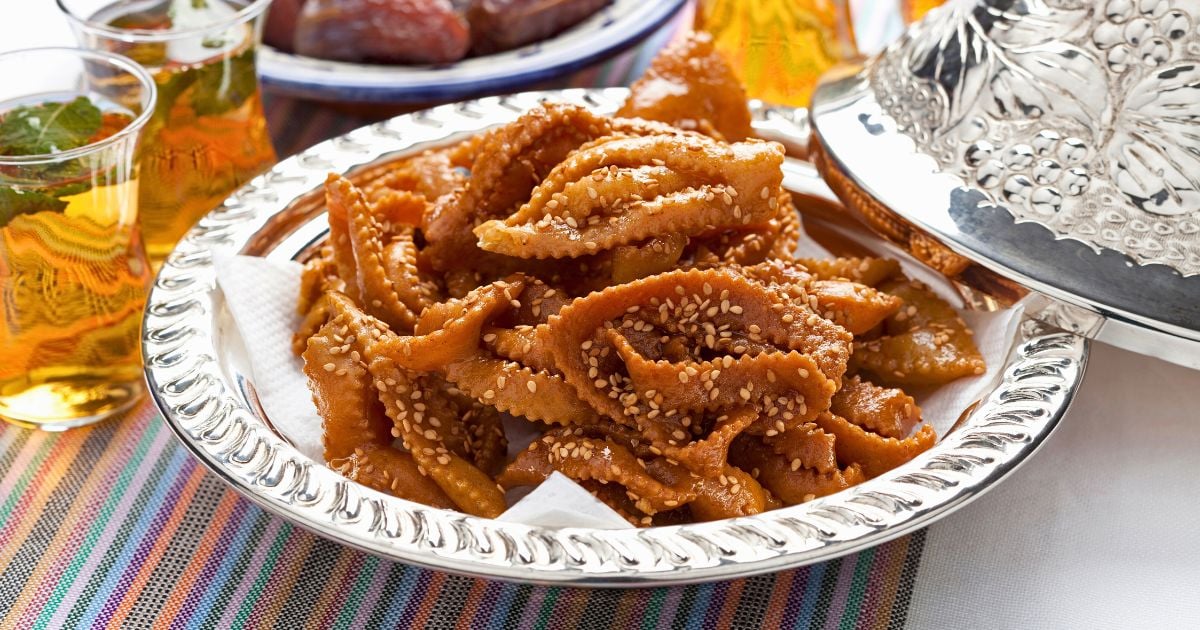
Chebakia is the sticky, golden sweet you’ll spot everywhere in Ramadan. It’s shaped into a flower-like twist, fried, then soaked in honey, so every bite is crunchy, chewy, and fragrant.
It’s usually served alongside harira, because sweet plus savory just works. If you love sesame, you’re in trouble (the good kind).
Key Ingredients:
- Flour – the dough base
- Sesame seeds (often toasted) – nutty crunch
- Honey – the signature glaze
- Orange blossom water – floral aroma
- Warm spices (often cinnamon, anise, or fennel) – gentle sweetness
3. Sellou (Sfouf) – No-Bake Energy Sweet
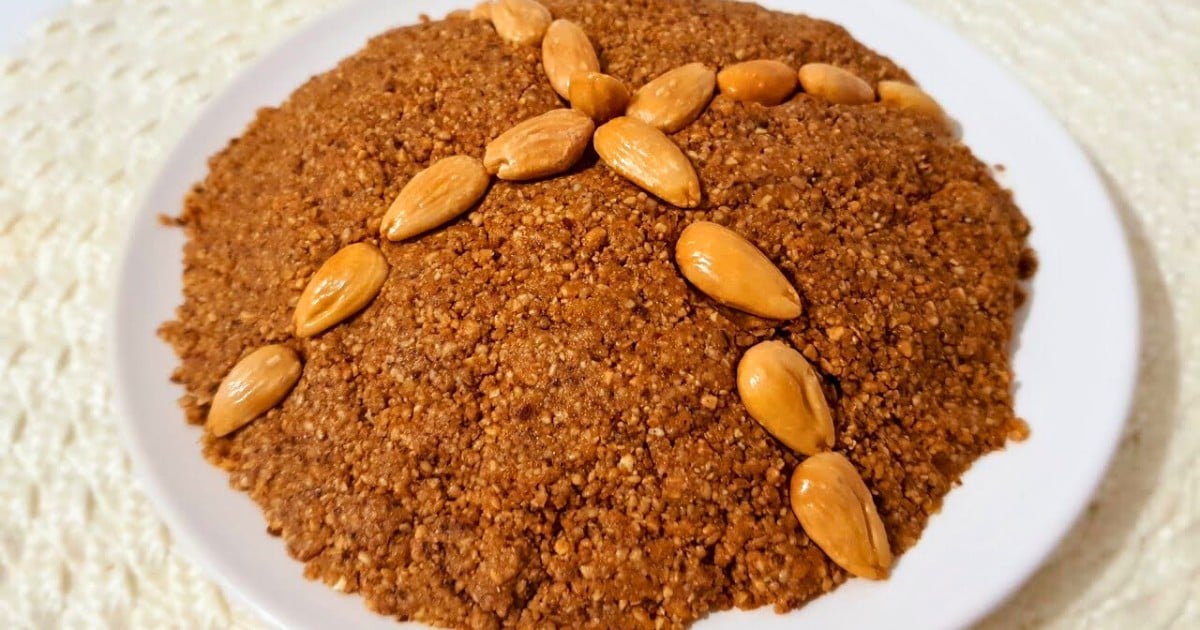
Sellou is Ramadan fuel in dessert form. It looks like a sandy crumble, but it’s rich, nutty, and surprisingly filling.
A small bowl goes a long way, especially with tea. You’ll find it homemade more often than not, and every family has their own “this is the right way” version.
Key Ingredients:
- Toasted flour – deep, nutty backbone
- Ground almonds – richness and body
- Sesame seeds – extra toastiness
- Powdered sugar or honey – sweetness
- Spices (often cinnamon, anise) – warm finish
4. Briouats (Briwats) – Crispy Stuffed Parcels
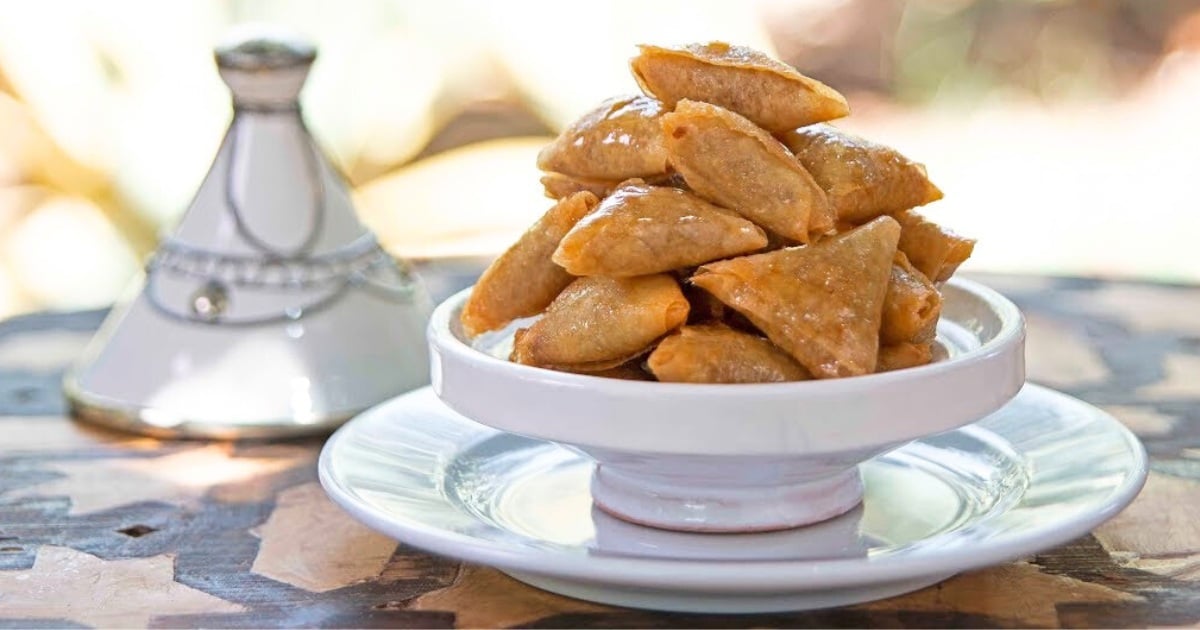
Briouats are the little triangles (or cigars) that disappear first. They can be savory or sweet, and during Ramadan, you’ll often see both.
Savory ones are perfect right after soup; sweet almond briouats, glazed with honey, feel like tea-time treats. Either way, they’re bite-sized and hard to resist.
Key Ingredients:
- Warqa pastry (or filo) – thin and crisp
- Savory fillings (chicken, minced meat, cheese) – main bite
- Sweet filling (almond paste) – classic dessert version
- Herbs and spices – lift and fragrance
- Oil for frying – the crunch maker
5. Baghrir – “Thousand Holes” Pancakes
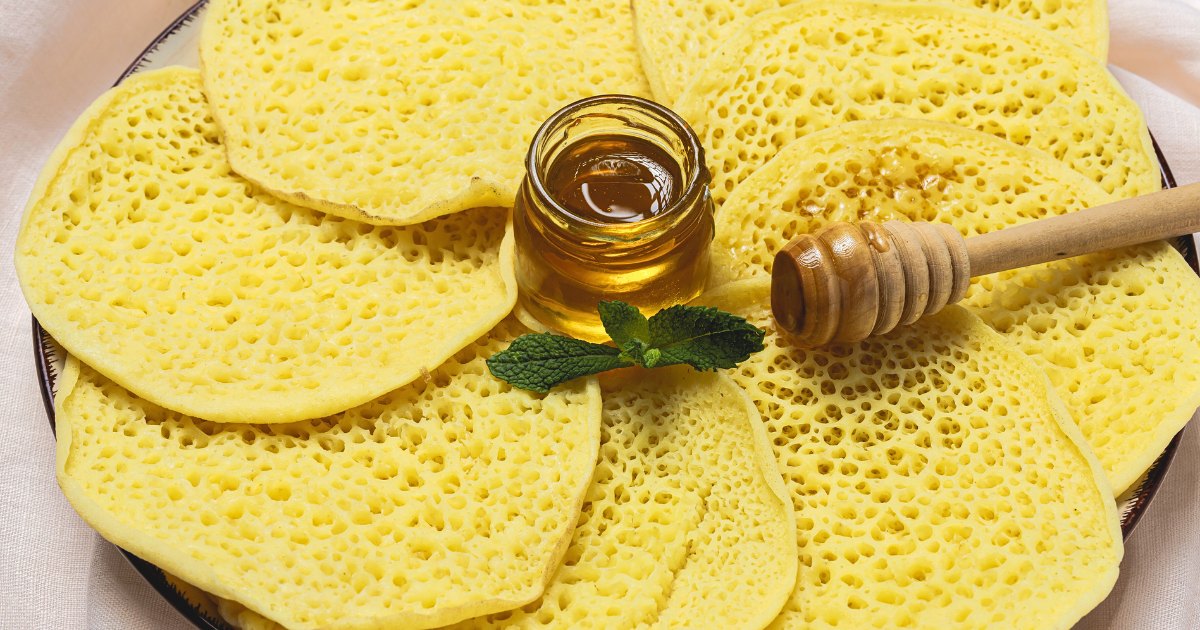
Baghrir is soft, spongy, and made to soak up toppings. Those tiny holes aren’t just pretty; they trap butter and honey, so every bite tastes like comfort. It’s gentle on the stomach, which is why it fits Ramadan so well. You’ll often see it stacked high and served warm.
Key Ingredients:
- Semolina (often) – signature texture
- Flour – structure
- Yeast and baking powder – bubbles and holes
- Water and salt – simple base
- Butter + honey – the classic topping
6. Msemen – Flaky Layered Flatbread
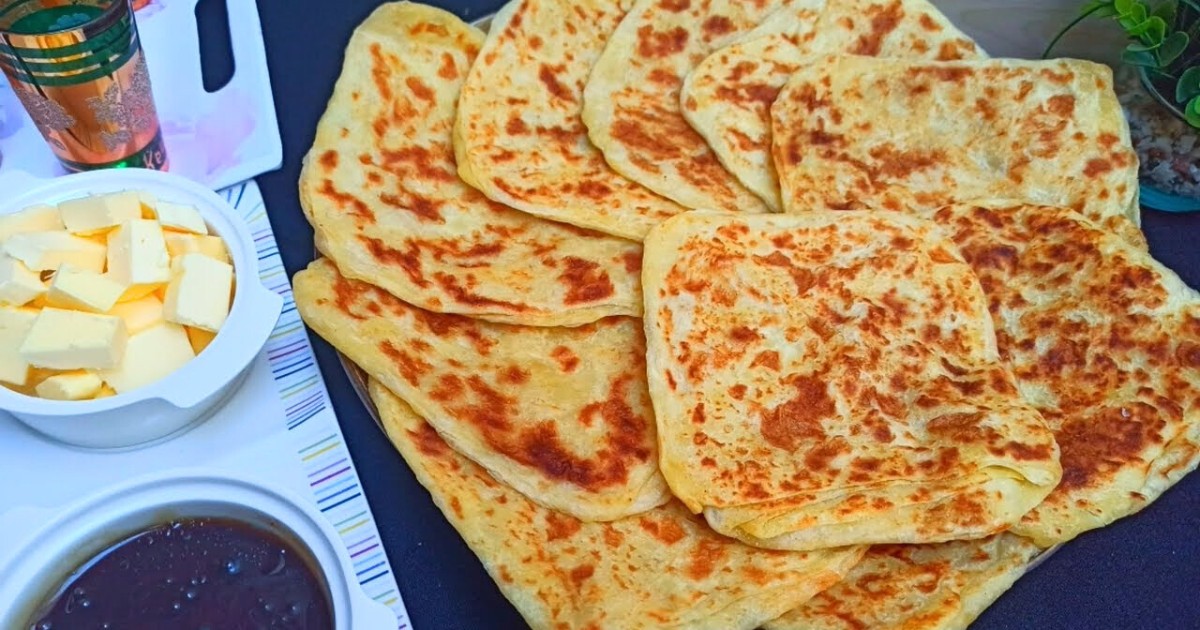
Msemen is what happens when a flatbread decides to be fancy. It’s folded, layered, and pan-cooked until it’s crisp outside and soft inside.
You can eat it sweet with honey, or savory with fillings like onions and spices. When it’s fresh off the pan, it’s hard to stop at one square.
Key Ingredients:
- Flour and/or semolina – the dough base
- Butter + oil – laminating layers
- Salt – balances the richness
- Optional fillings (onion, herbs, spices) – savory twist
- Honey – a popular sweet finish
7. Dates – The Classic First Bite
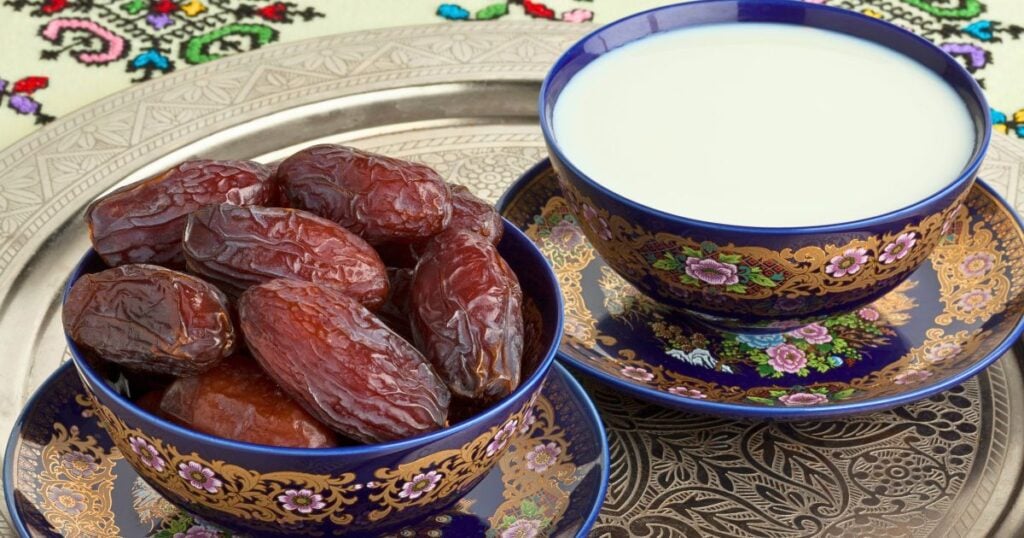
Dates are simple, symbolic, and everywhere at iftar. Many people start with one or three dates before anything else, often with water or milk.
They’re sweet, fast energy without feeling heavy, and they set the tone for the meal. If you see a big plate of glossy dates, that’s your cue: sunset is close.
Key Ingredients:
- Dates – the star
- Stuffing (optional: almond paste or nuts) – in some homes
- Milk or water (served alongside) – common pairing
- Nuts (optional) – extra crunch
- Butter (optional) – sometimes served with dates
8. Boiled Eggs with Cumin & Salt – Simple Protein Boost
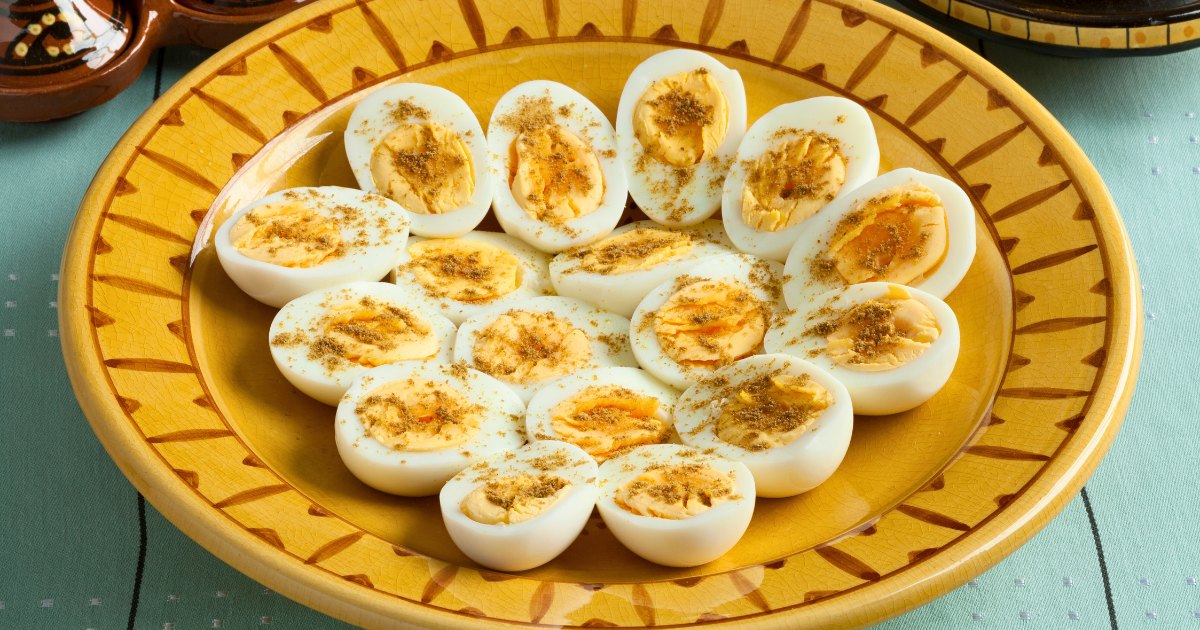
This one surprises a lot of travelers, but it makes perfect sense. A boiled egg is easy, familiar, and satisfying after fasting. Add cumin and salt, and it becomes a quick savory bite between sweets and breads.
It’s not flashy, it’s just practical, which is kind of the point.
Key Ingredients:
- Hard-boiled eggs – protein and fullness
- Ground cumin – earthy kick
- Salt – simple seasoning
- Olive oil (optional) – a little richness
- Black pepper (optional) – extra bite
9. Fresh Juices & Smoothies – The Rehydration Station
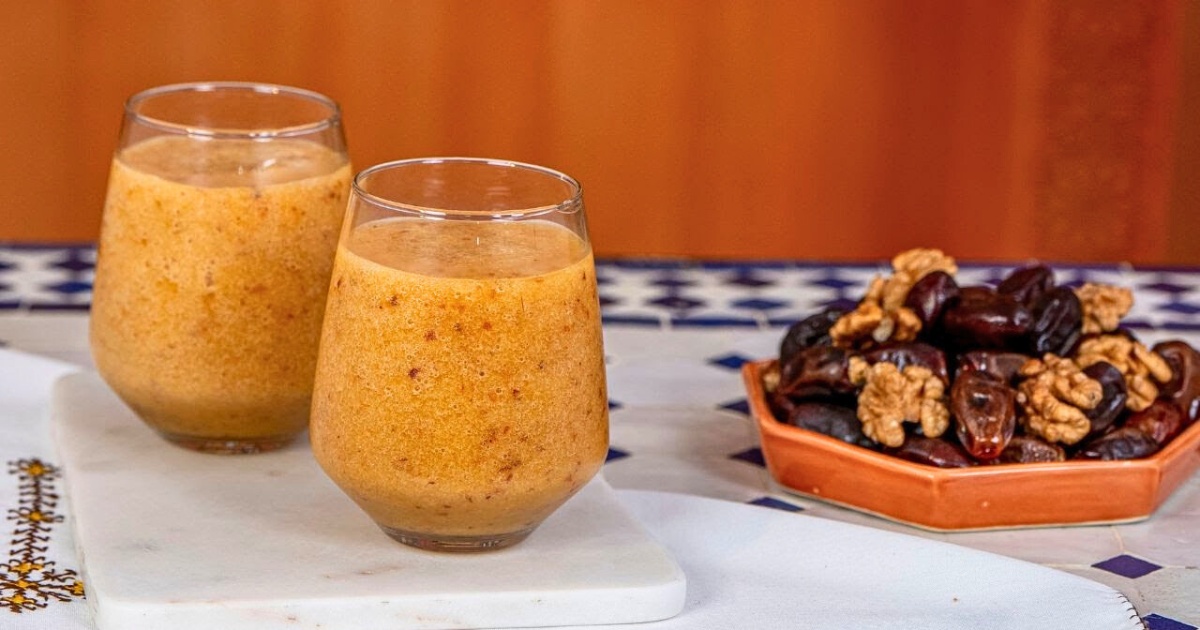
Fresh juices are a common Ramadan habit in Morocco. You’ll see orange juice, mixed fruit blends, and thick smoothies like avocado with milk.
After a day without water, that first cold glass hits differently. The goal is hydration plus energy, not a complicated “health drink.”
Key Ingredients:
- Oranges – classic juice base
- Seasonal fruits (banana, apple, strawberry) – blends
- Avocado + milk – popular thick smoothie
- Sugar or honey (optional) – sweetness boost
- Ice (optional) – extra refreshing
10. Batbout (Moroccan Pita) – Soft Pocket Bread
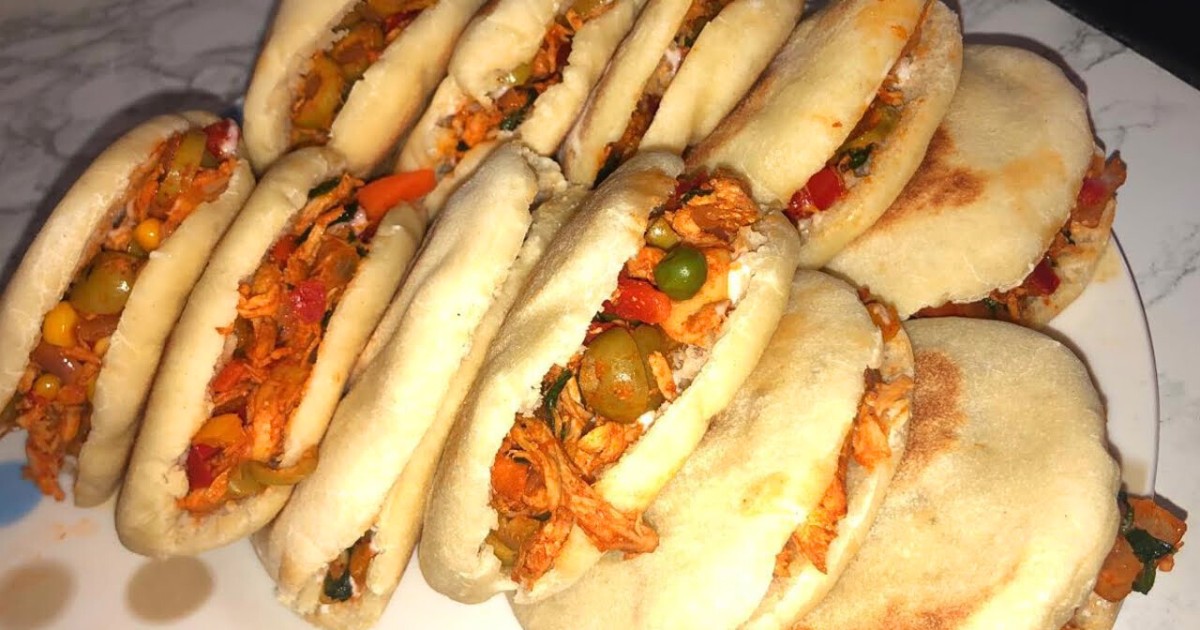
Batbout is the bread that does everything. It’s soft, pan-cooked, and often forms a pocket you can stuff with whatever’s on the table.
It’s great with soup or stews, and perfect as a late-night snack. If you’re eating with your hands (common at home), batbout is your best friend.
Key Ingredients:
- Flour – base
- Semolina – tenderness and bite
- Yeast – soft rise
- Salt + water – simple dough
- A little oil – smooth texture
11. Harcha – Semolina Griddle Bread
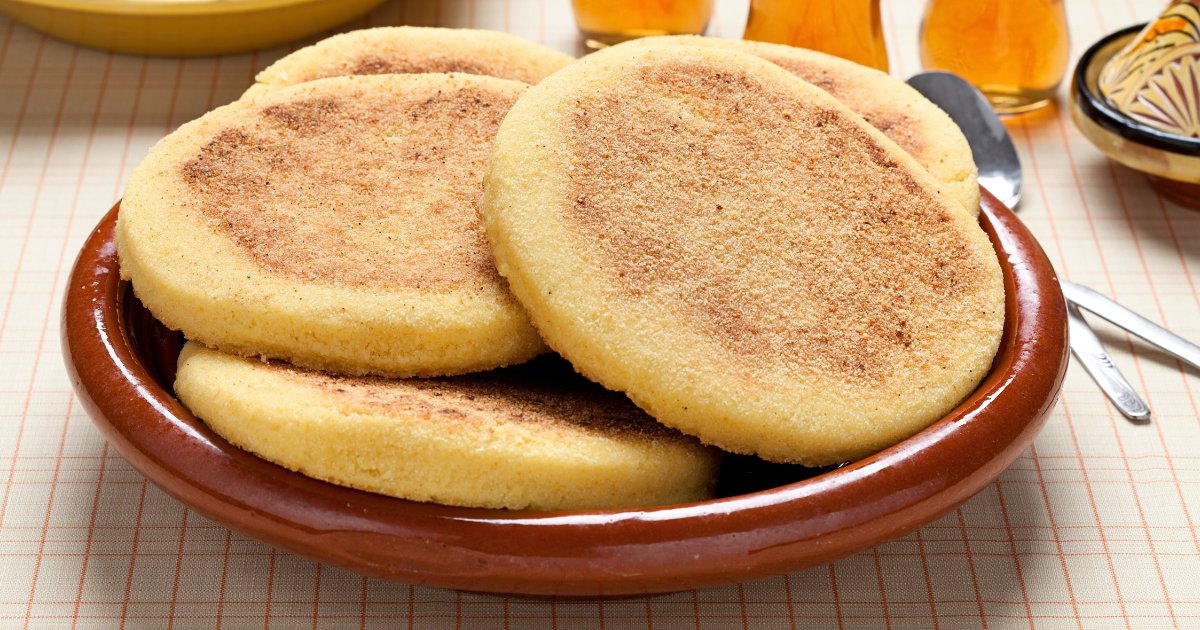
Harcha is lightly crisp outside, tender inside, and just sturdy enough to handle honey, jam, or soft cheese. It tastes buttery and pairs beautifully with mint tea.
You’ll find it at Ramadan tables because it’s comforting, quick to serve, and doesn’t demand anything fancy.
Key Ingredients:
- Semolina – the main texture
- Butter – richness
- Milk or water – binds the dough
- Baking powder – light lift
- Salt (and sometimes a little sugar) – balance
12. Savory Tagines or Stews – The Slow-Cooked Finish
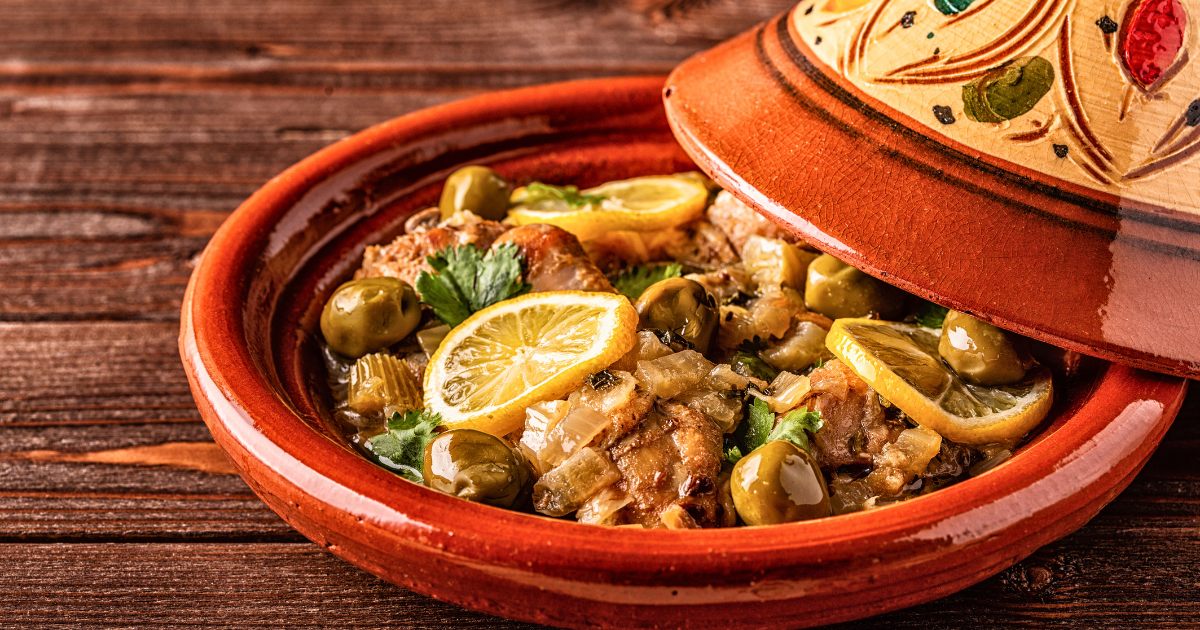
Not every Ramadan table ends with snacks. Many families bring out a tagine or stew later, once you’ve eased back into eating.
Here you’ll taste Morocco’s slow-cooked comfort food: tender meat and vegetables in a rich, bread-scooping sauce. The exact dish varies by household and region and by what’s in season.
Key Ingredients:
- Proteins (chicken, beef, lamb, kefta) – hearty base
- Aromatics (onion, garlic) – depth
- Spices (cumin, ginger, saffron, pepper) – Moroccan warmth
- Olives, preserved lemon, or prunes – classic flavor accents
- Vegetables (carrot, potato, tomato) – body and sauce
If you want to plan a Ramadan-friendly itinerary (with evenings timed for ftour and markets), message us on WhatsApp via our contact us page:
Conclusion
Moroccan Ramadan food isn’t one signature dish; it’s a whole table designed to bring you back to life: harira to warm you up, sweets like chebakia and sellou for quick energy, breads for constant comfort, and often a tagine to finish strong.
If you’re visiting, build your days around calmer afternoons and lively evenings. And if you’re spending time in Marrakech, this guide can help you choose neighborhoods and food spots before sunset.
FAQs
What is ftour in Morocco?
Ftour is a common local word for iftar, the meal that breaks the fast at sunset.
Is harira always made with meat?
Not always. Vegetarian harira is common, especially at home.
Are briouats always savory?
No, you’ll find savory briouats at ftour and sweet almond versions with tea.
What’s the difference between baghrir and msemen?
Baghrir is soft and spongy like a pancake, while msemen is flaky and layered.
Can you find these foods outside Ramadan?
Many are available year-round, but Ramadan is when they appear together most consistently.
Are restaurants open during the day in Ramadan?
Some stay open, especially in tourist areas, but many places shift their busiest hours to the evening.