
A Sahara trip sounds simple until you realize the desert has mood swings: blazing sun at midday, chilly air after dinner, and sand that somehow gets everywhere. This Sahara Desert packing list keeps you comfortable on a typical Morocco itinerary, whether you’re riding a camel into the dunes, sleeping in a desert camp, or doing photo stops between valleys and kasbahs.
You don’t need fancy gear, but you do need smart basics that work in heat, wind, and cold nights. Pack light, think in layers, and remember your hands will be busy with your phone, camera, water, or scarf. The goal is to enjoy the dunes, not wrestle with your suitcase.
17 Essential Things to Pack for the Sahara Desert
Before the list, one quick reality check: tours vary. Some camps have better power access, some feel more rustic, and winter nights can be surprisingly cold. These are the essentials (plus a few small add-ons) that consistently make the experience easier.
Water & reusable water bottle: stay hydrated in the dry heat
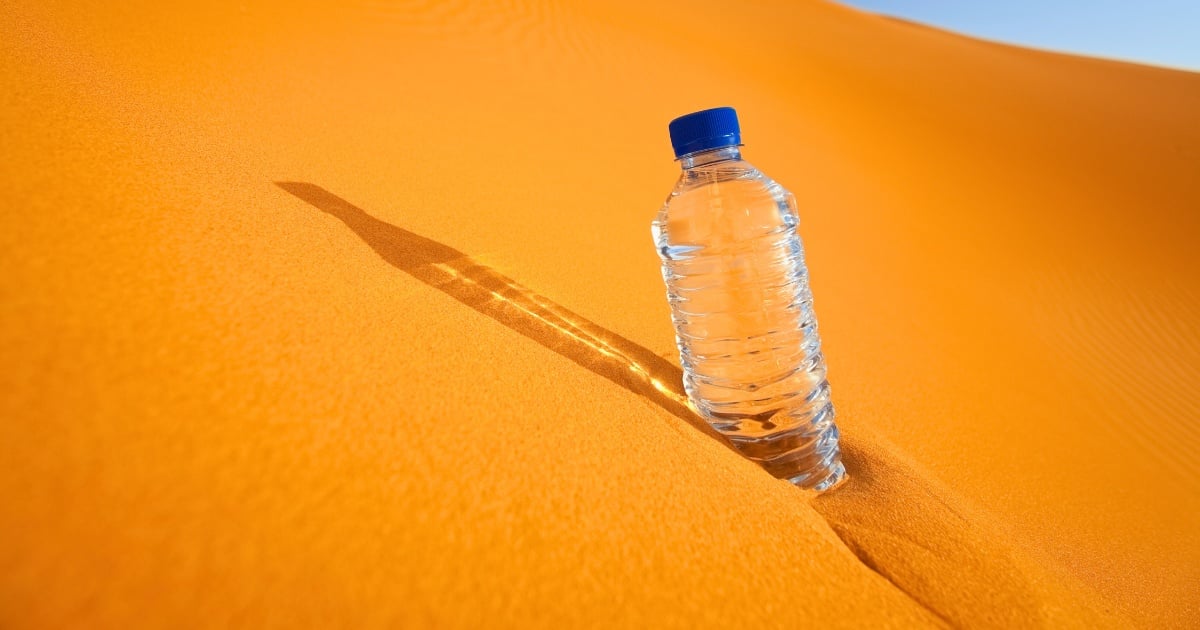
Bring a reusable bottle you actually like using, because you’ll reach for it constantly. Even if you feel fine, the Sahara can dehydrate you quickly, especially if you’re walking on dunes or riding a camel under the midday sun. A bottle with a secure lid matters when you’re bouncing around in a vehicle.
Pro tip: keep it in your daypack, not buried in your main bag.
High-SPF sunscreen: for face & body
Go higher than you think you need. The desert sun is intense, and reflection off the sand can catch you even when it feels “not that hot.” Bring a broad-spectrum SPF 50 (or similar) and reapply, especially on your nose, ears, neck, and hands.
If you’ll be taking lots of photos, choose one that doesn’t leave a white cast or make your face shiny. A small tube in your daypack is non-negotiable, even if you keep a bigger bottle in your luggage.
With SPF: desert winds dry lips fast
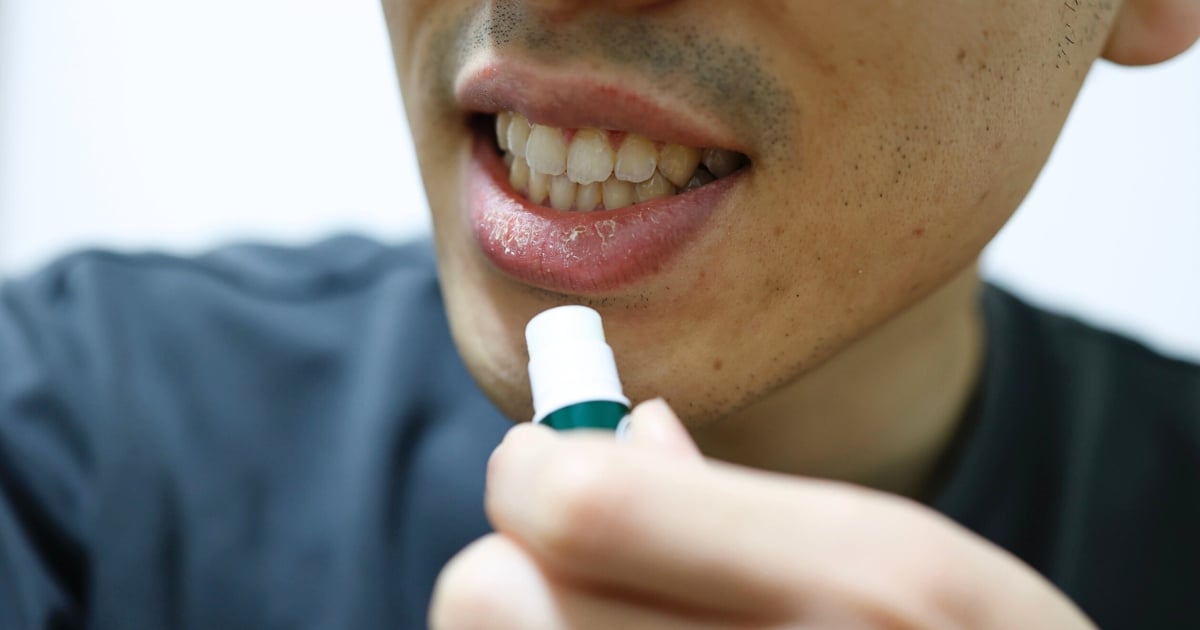
Your lips will feel the desert before the rest of you. Wind, dust, and dry air can crack lips quickly, and once they’re sore, you’ll keep licking them, which makes it worse. Pack an SPF lip balm and keep it in a pocket so you’ll actually use it.
If you’re prone to dryness, consider two: one for daytime SPF protection, another thicker balm for night. Tiny item, huge comfort upgrade.
Wide-brimmed hat or cap: shade from the intense sun
A hat isn’t just for style. It’s your personal shade on dunes, viewpoints, or village walks. A wide brim protects your face and neck better than a standard cap, but a cap is still far better than nothing.
If it’s windy, choose a hat with a strap or something that fits snugly, because the Sahara does not politely hold your hat in place.
UV Sunglasses: essential eye protection
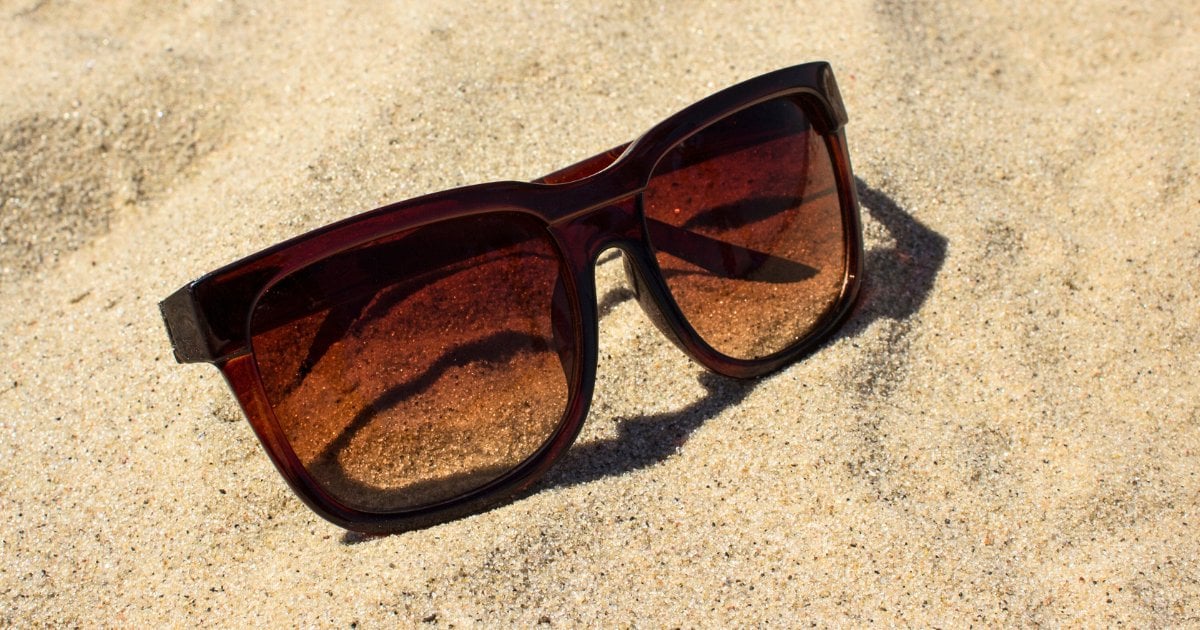
Dusty wind and strong sunlight are a rough combo. Choose sunglasses with proper UV protection and a shape that blocks light from the sides, not just straight-on glare.
If you wear contacts, sunglasses help even more because wind can dry your eyes out quickly. Keep them in a hard case if you’re tossing them in bags, because scratched lenses in bright desert light are a special kind of annoying.
Lightweight, breathable clothing: long sleeves and pants
In the Sahara, covering up often feels better than exposing skin. Lightweight long sleeves and loose pants protect you from sun, wind, and sand while keeping you cooler than you’d expect. Think breathable fabrics, not heavy denim.
Neutral colors help with heat and show less dust. Pack at least one set you can comfortably wear for a full day drive, plus the late-afternoon dune time. If you want one “hero outfit,” make it this one.
Scarf, shemagh, or bandana: for sand, dust & sun protection
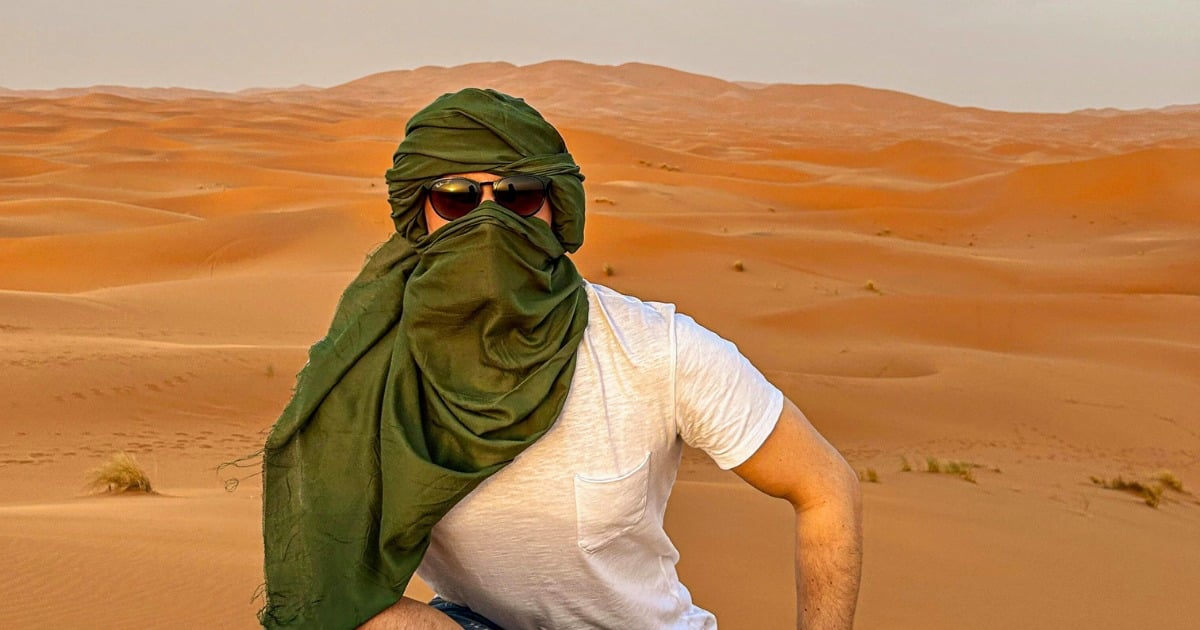
This is the desert multi-tool. You’ll use it as a face cover when the wind kicks up, a neck shield, a head wrap under a hat, or even a quick layer when the air cools.
A larger scarf (shemagh-style) gives you more options than a small bandana, but either works. If you’ve never wrapped one before, no stress, someone on tour will show you, and you’ll feel oddly proud when you get it right.
Comfortable walking shoes/closed-toe shoes: for dunes & camel rides
You’ll see people in sandals on dunes, but closed-toe shoes save you from hot sand, pebbles, and accidental toe stubs around camp. They’re also better for getting on and off a camel, where footing can feel awkward.
You don’t need heavy hiking boots unless you’re doing serious trekking. Choose something you’ve already broken in with decent grip. If your shoes rub, your desert glow turns into a blister drama very quickly.
Sandals/slides: for relaxing at camp
Once you’re settled at camp, you’ll want your feet to breathe. Slides or simple sandals are perfect for dinner, stargazing, or stepping outside your tent without fully gearing up.
Keep them easy to slip on, because you’ll probably be taking shoes on and off more than usual, thanks to sand.
Warm layer (fleece or jacket): desert nights get cold
Even if your day is sunny and warm, temperatures can drop quickly after sunset. A light fleece, insulated jacket, or warm hoodie makes the evening much more comfortable, especially if you’re sitting outside for music and stargazing.
If you’re traveling in late fall or winter, bring something warmer than you think you’ll need. You don’t have to overpack, but you do want to enjoy the night instead of counting minutes until you can crawl into blankets.
Warm socks: extra warmth at night or early morning
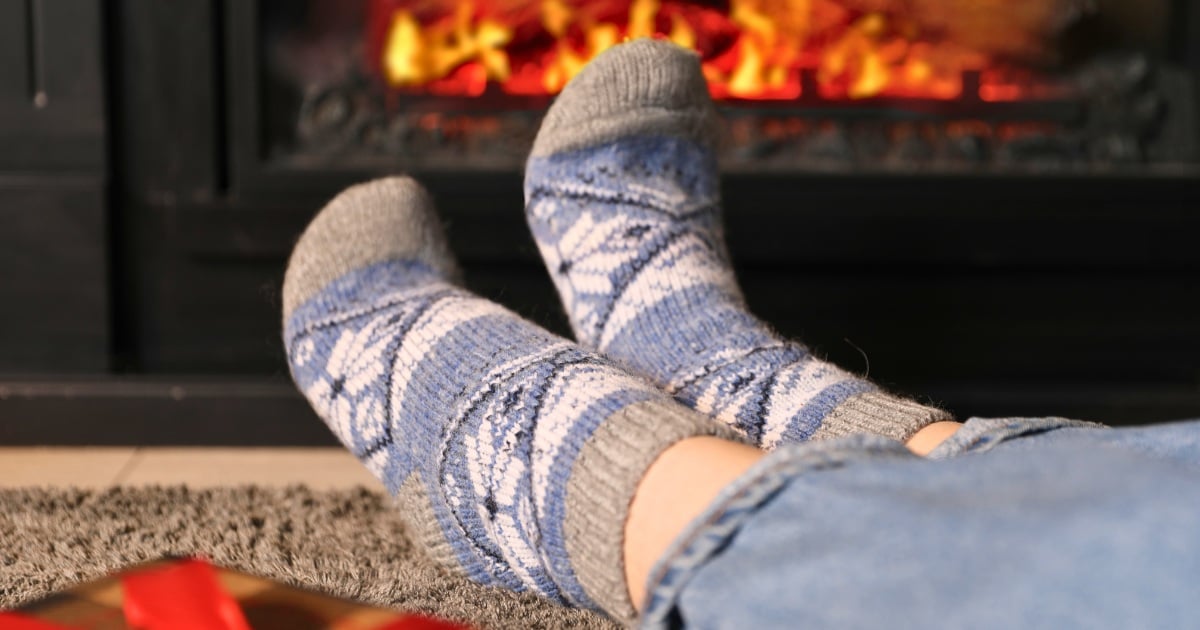
Warm socks are the quiet hero of desert nights. They help you feel cozy in camp, especially if you’re wearing sandals during the day and your feet get chilled after dark.
Bring a thicker pair for sleeping and a backup pair in case the first gets sandy. If you’re doing sunrise, you’ll be glad you have them, because early mornings can feel surprisingly crisp before the sun fully hits.
Reusable daypack: carry water, sunscreen, camera, and snacks
A small daypack keeps your essentials with you during drives, stops, and the camel ride into the dunes. Look for something comfortable on your shoulders, with room for water, sunscreen, lip balm, sunglasses, wipes, and a light layer.
If you’re into photography, make sure it fits your camera safely or use a padded insert. A packable backpack works, too, as long as it doesn’t flop around when you walk on sand.
Flashlight or headlamp: for camp, bathrooms, nighttime walks
Camps are magical at night, but they’re not always floodlit like a city street. A headlamp is the easiest option because it leaves your hands free, which helps if you’re carrying a jacket or stepping over uneven ground.
A small flashlight works fine if you prefer it. This is especially useful for nighttime bathroom trips, finding your tent, or grabbing something from your bag without turning your phone into your only light source.
Power bank or portable charger: limited electricity in camps
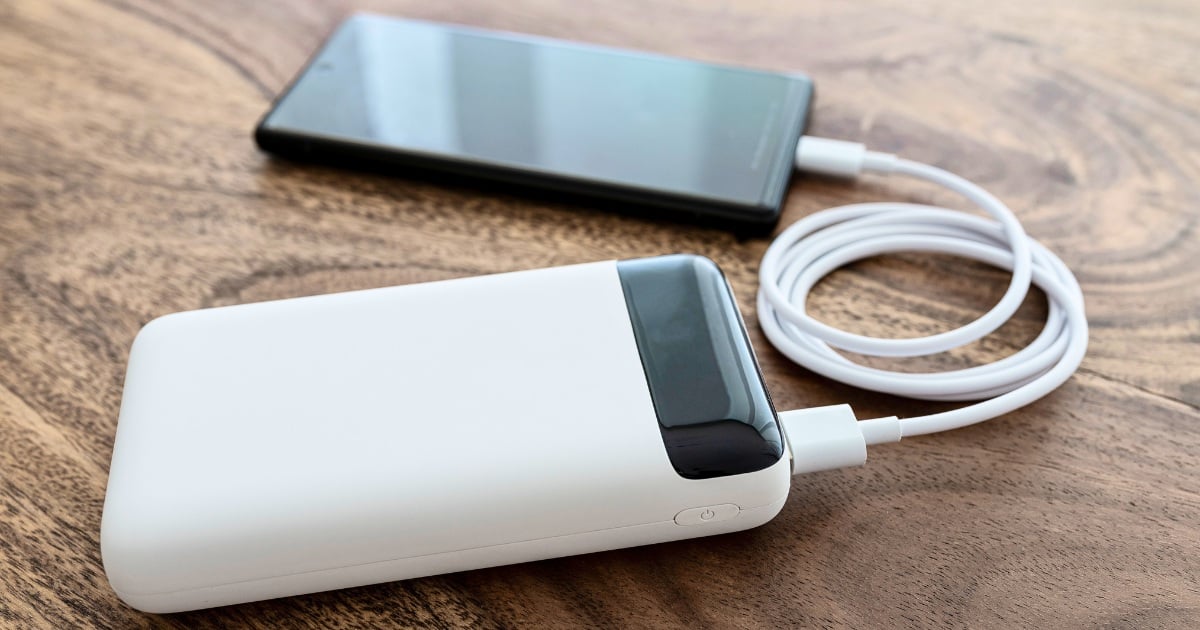
Between photos, videos, maps, and general scrolling, your battery will drain faster than expected. Camps may have limited charging points or limited hours, and you might be sharing outlets.
Bring a reliable power bank and the right cable. If you have multiple devices, a power bank with two ports helps. Charge it fully before you leave your hotel, because desert electricity is not the moment to discover you packed a dead brick.
Wet wipes & hand sanitizer: for quick clean-ups
Wipes are incredibly useful for sandy hands, dusty faces, and quick refreshes after long drives. Hand sanitizer is great before meals and after stops.
Choose travel packs you can keep in your daypack so you’ll use them without digging through your luggage. If you wear makeup, wipes also help you reset your face before evening photos. It’s not about being precious, it’s about feeling human again after a day of wind and dust.
Travel first aid kit: basic meds and blister care
Keep it simple: pain relief, stomach basics, plasters, blister pads, and anything you personally rely on (allergies, inhaler, etc.). Blister care matters because sand, heat, and walking can irritate feet even on short distances.
If you’re prone to headaches or dehydration fatigue, electrolytes can help too. Pack your essentials where you can reach them quickly. In the desert, small problems feel bigger when you’re far from a pharmacy.
Cash (small bills): for tips, snacks, or small purchases
Even if you pay for most things elsewhere, cash is useful for quick stops, drinks, souvenirs, and tipping. Bring smaller bills so you’re not stuck trying to break a large note in a remote area.
Keep it in a secure spot on you, not loose in your backpack. You don’t need to carry a fortune, just enough to avoid the awkward “I only have a big note” moment when you want something simple.
If you want help matching your packing to your exact route and season, reach out on our contact page and message us on WhatsApp.
Conclusion
If you pack for sun, wind, and cold nights, the Sahara feels easy. Focus on protection (SPF, hat, sunglasses), comfort (breathable layers, good shoes), and a few practical helpers (daypack, headlamp, power bank, wipes).
You’ll spend less time managing gear and more time doing what you came for: sunset on the dunes, warm tea at camp, and a sky full of stars.
FAQs
Do you need a sleeping bag for a Sahara desert camp?
Usually, no, camps typically provide blankets, but a warm layer and socks make a big difference at night.
What should you wear on a camel ride?
Wear long pants, a breathable top, and closed-toe shoes, and keep a scarf handy for wind and dust.
Can you bring a suitcase on a desert tour?
Yes, but keep a small daypack for what you need during the drive and the ride into camp.
Will your phone and camera get sandy?
Probably. Keep electronics in a zip pouch or small dry bag, and avoid changing lenses in windy conditions.
Is it cold in the Sahara at night?
It can be, especially in winter, so pack at least one warm layer plus warm socks.